


Inside Harry's Private Barrels: How We Pick a Barrel
A private barrel pick at Campbell Wines starts with a phone call, not a marketing plan. A distillery tells me a barrel is ready, I taste it, and I decide if it's good enough to carry my name. That's it. There's no committee, no focus group, no formula, just me, a glass, and a barrel that either earns its spot or doesn't. This post walks through how that actually happens, using real barrels we've released, Harry's Barrels #1 through #5, instead of talking about the process in the abstract.
Who's Actually Doing the Picking?
 I'm Harry. I own Campbell Wines, which runs under California Food Mart at 100 W Hamilton Avenue in Campbell, California. None of this was planned out ahead of time. Back in 2003, I was in university and took a part-time job at a local liquor store just to cover expenses. I wasn't thinking about a career. Twenty-two years later, it's still what I do every day.
Somewhere in those years, I went from stocking shelves to running boutique selections, then to building the kind of relationships with distilleries where they call me first when something interesting is ready. There's more of that story on our About Us page if you want the longer version.
I mention my own background because I think it matters who's tasting the barrel. This isn't something I could hand off to someone without years of doing it. Every bottle in the Harry's Barrel series got there because I tasted it myself and decided it earned a spot, not because a program picked it for me.
What Happens When a Distillery Calls About a New Barrel
 When a distillery has something ready, I don't take their word for it; I taste it. Sometimes that means driving out to the rickhouse. Other times a sample gets sent to me here in Campbell.
The first things I check are proof, age, and where the barrel actually sat in the warehouse. That last one surprises people, but it's real: a barrel that spent years higher up in the rickhouse, where it's hotter, comes out tasting different than one that sat lower and cooler the whole time. That's why you'll see something like "Warehouse A, Floor 4" on our Russell's Reserve Private Barrel Selection. It's not there to sound technical. It tells you something about what's actually in the bottle.
Four Roses does something similar with recipe codes: OESK, OESO, OBSQ, OBSV, and so on. Each one is a specific mash bill and yeast combination the distillery uses. Knowing which code I'm looking at before I even pull the cork tells me roughly what direction the barrel is going to go in. It's a small thing to most people, but it's one of those details that tells you whether whoever picked the barrel knew what they were doing.
Why I Started Numbering Our Own Barrels
 At some point I started putting numbers on the barrels I select myself, separate from whatever program the distillery already runs. Honestly, it's a small habit, but it means something to me; a number attached to a barrel means I made that call personally, not that someone stuck a label on a barrel they'd already chosen for me.
Here's the series so far:
-
Harry's Barrel #1 is a Found North Season 4, a wheat mash bill bottled at 117.2 proof.
-
Harry's Barrel #2 came from Onyx & Amber, bottled at 141.1 proof.
-
Harry's Barrel #3 is an Elijah Craig Toasted Cask Strength, 9 years old, bottled at 130.1 proof.
-
Harry's Barrel #4 is a Knob Creek, aged 9 years and 10 months, at 126.7 proof.
-
Harry's Barrel #5 is a Weller Full Proof selection we're still finalizing.
Every one of those went through the same process: I tasted it, decided it stood on its own, and only then agreed to put it out under our name. We also carry plenty of barrels outside that numbered series, like the Smoke Wagon Private Barrel Straight Bourbon Whiskey currently on our Harry's Barrels page, but the numbered ones are the ones I picked myself, start to finish.
What I'm Actually Tasting For
A lot of people assume this is mostly about proof, bigger numbers, and better barrels. It's not that simple. A high-proof barrel with nothing else going on just tastes hot. What I'm really paying attention to is whether the heat, the wood, and the grain underneath all work together.
Harry's Barrel #2 came in at 141.1 proof, and it needed real depth to carry that; otherwise, it's just alcohol burning through. Harry's Barrel #1, on the other hand, is a wheat mash bill at a much gentler 117.2 proof, and the whole point there was softness, not strength. Two barrels, two completely different jobs, and each one had to do its job well to make the cut.
Some of what we carry, like parts of our rare character lineup, get labeled with rick or warehouse codes instead of flashy names. To most shoppers, that probably looks like nothing. To someone who knows what they're reading, it tells them exactly which location and rotation the barrel came from, which matters a lot more than whatever name is printed on the label.
I'll also say this: proof isn't the whole conversation. We carry a Wild Turkey Rye Single Barrel at a standard 101 proof right next to things like a Jack Daniel's Barrel Proof at 133.5 or an Old Forester Single Barrel Strength at 129. None of those is automatically the "better" barrel just because the number is bigger. The Wild Turkey earned its spot at a lower proof because that's where it tasted right. If I brought it up to barrel strength just to compete on paper with the others, I'd be working against what actually made that barrel good in the first place.
What Happens to the Barrels I Say No To
Most of what I taste never makes it to our shelves. That part doesn't get talked about much. For every Elijah Craig barrel that became Harry's Barrel #3, there were samples from the same distillery I passed on, plenty of char, and not enough underneath to balance it out.
Age doesn't settle the question either. We carry a River Roots Rye at 14 years, 6 months, and 117.34 proof right alongside an 18-year, 7-month release at 124.78 proof, and both earned a place for different reasons, one is built around spice and structure, the other around the roundness you only get from extra time in the wood. If a barrel doesn't have a clear personality like that, I pass, no matter how old it is.
Barrel-proof releases get the same treatment. High strength only works if it's carrying real flavor. I've tasted plenty of barrel-proof samples that stay hot the whole way through and don't have much else to say for themselves, and those get turned down, even from distilleries whose other barrels we're happy to sell.
Big Names vs. Smaller Distilleries
 Not every barrel we carry comes from a name people already recognize, and that's on purpose. Some of the more interesting picks we've released come from smaller, less familiar producers; the Smoke Wagon Private Barrel is a good example. Nobody was walking in asking for it by name. It earned its spot the same way everything else does: I tasted it, and it held up.
Working with an established name is a different exercise. Our Maker's Mark Private Selection is a good case. Most customers already know what Maker's Mark tastes like, so what I'm judging there isn't whether the spirit itself is good; it's whether the specific finishing staves used on that particular barrel actually changed the profile enough to be worth putting our name on. It's less about discovering something new and more about confirming a variation is genuinely different, not just marketed that way.
After I Say Yes to a Barrel
Once I commit, the distillery bottles it exclusively for us. It doesn't show up anywhere else under that label. From there it comes to the store in Campbell, and we add it to the Harry's Barrels page so people across California can see what's currently in stock.
I try to keep the same details on every listing that I used when I made the call: proof, age, barrel number, and mash bill if it applies. Not because it looks good on a product page, but because I'd want that information if I were the one buying.
How to Tell If a Private Barrel Pick Is Worth Your Money
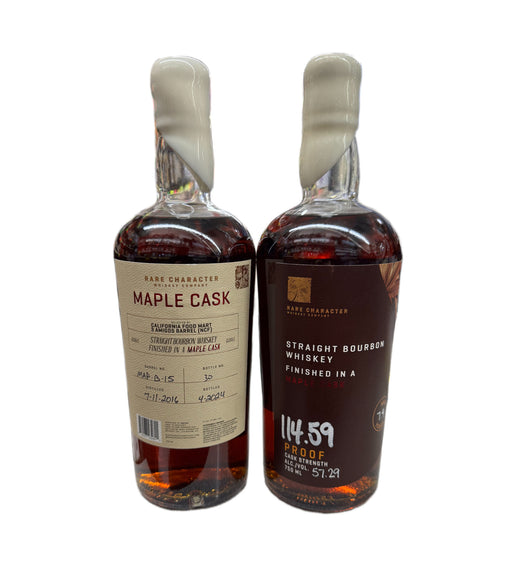
If you're looking at a private barrel, ours or anyone else's, a few things are worth asking about before you buy. What mash bill or recipe code is it if the distillery uses one? Which warehouse and floor did it come from, since higher and hotter usually means bolder, and lower and cooler usually means milder? Was it actually tasted blind or picked off a list the distillery already narrowed down? And how does the bottling proof compare to that distillery's standard release? A real difference usually means someone chose this barrel specifically because it stood out.
None of these questions guarantee you'll love what's in the bottle. But they'll tell you whether the person who picked it was paying attention.
Key Takeaways
-
A private barrel is only as good as the person tasting it, and at Campbell Wines that's me, personally, on every single one.
-
Warehouse floor, recipe codes, and mash bill aren't trivia; they tell you what to actually expect once you pour it.
-
Harry's Barrel #1 through #5 are the ones I selected and numbered myself; we also carry other private barrels that go through the same tasting standard.
-
A familiar distillery name doesn't lower the bar, and an unfamiliar one doesn't raise it; every barrel gets tasted the same way.
-
The full, current lineup is always on the Harry's Barrels collection page.
FAQ
-
Is a "private barrel" the same as a "single barrel"?
Not quite. Single barrel just means the bottle came from one barrel instead of a blend of several. A private barrel pick is a single barrel that a specific buyer, like Campbell Wines, chose and had bottled exclusively for them, rather than one the distillery picked for its own general release. -
Why do private barrel picks usually cost more?
Because a single barrel only yields so many bottles, and once it's gone, it's gone; there's no reorder. That, plus the time it takes to actually taste and select the thing, is usually why these run higher than a standard release. -
Can I ask you to hold a specific barrel for me?
Message us on WhatsApp or come by the store in Campbell. Happy to talk through what we have and what's coming. -
How do I find out when a new Harry's Barrel is ready?
Follow Campbell Wines on Instagram; that's usually where new arrivals show up first, or keep an eye on the Harry's Barrels page directly. -
Can I get a bottle delivered, or do I need to come into the store?
Delivery is available, but currently only within California. If you're outside the state, the best option is to reach out directly, and we can talk through what's possible. -
Where can I read more about how the sourcing side of this works?
We wrote about the relationships and allocation side of things in an earlier post, How Private Barrel Picks Work. This one is specifically about how I taste and number the barrels in our own series.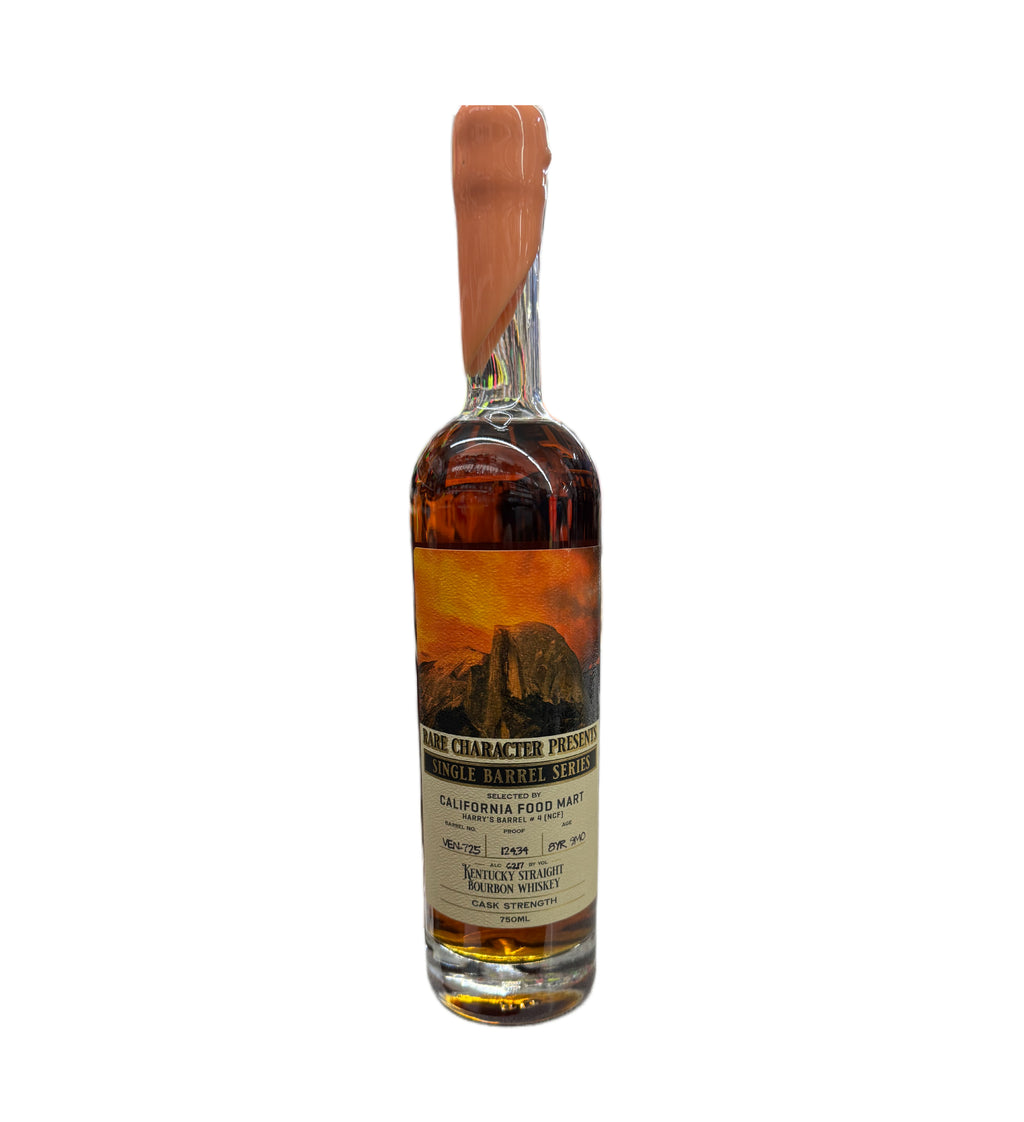
About the author: Harry is the founder and owner of Campbell Wines (California Food Mart) at 100 W Hamilton Avenue, Campbell, CA. He's worked in the wine and spirits industry since 2003 and personally tastes and selects every barrel released under the Harry's Barrel series. More on the About Us page, or find the store on Instagram