


Allocated Bourbon 101: Why Some Bottles Vanish in Minutes
Allocated bourbon disappears fast because distilleries only send a small, fixed number of bottles to each store, and demand for those specific labels is far higher than the supply. A bottle that shows up on a Tuesday morning at Campbell Wines can be gone by Tuesday afternoon, not because of hype, but because that store might only receive two or three bottles of that release for the entire year. Understanding how allocation actually works is the difference between chasing a bottle blindly and knowing where to look.
What Does "Allocated" Actually Mean?
 An allocated bourbon is a bottle that a distillery rations out to retailers in limited quantities, rather than shipping as much as a store wants to order. Instead of a liquor store calling its distributor and getting a full case, it might be told it's receiving one bottle, three bottles, or none at all that quarter.
This is different from a bottle simply being "out of stock." A store can run out of a standard bourbon and have more delivered within a week. With an allocated label, more bottles aren't coming until the distillery decides to release the next batch, sometimes months later, sometimes once a year.
In short, allocation is the distillery controlling supply on purpose, not a retailer running low by accident.
For a deeper breakdown of how this plays out for buyers specifically in the Bay Area, Campbell Wines wrote a full buyer's guide to allocated bourbon that walks through what to expect at the shelf level.
Why Do Allocated Bottles Disappear So Fast?
Three things collide at once: a small number of bottles, a large number of interested buyers, and a very short window between the bottle arriving on the shelf and someone deciding to buy it. When a store like Campbell Wines posts on Instagram that a bottle just came in, regulars who have been asking about it for weeks are often waiting for exactly that notification.
Harry, who owns Campbell Wines under the California Food Mart banner, has watched this pattern play out for over two decades. He started working in a liquor store part-time back in 2003 to help pay for college, and what began as a way to cover tuition turned into a genuine, 22-year immersion in wine, whiskey, and the process of sourcing bottles most stores never see.
That history matters here because allocation isn't something you learn from a spec sheet; it's something you learn by being the person a distributor calls when a rare case shows up, and by building the kind of relationship where you get that call in the first place.
The short version: it's not artificial hype driving the speed; it's genuinely limited supply meeting genuinely high demand.
How Is a Private Barrel Pick Different From an Allocated Release?
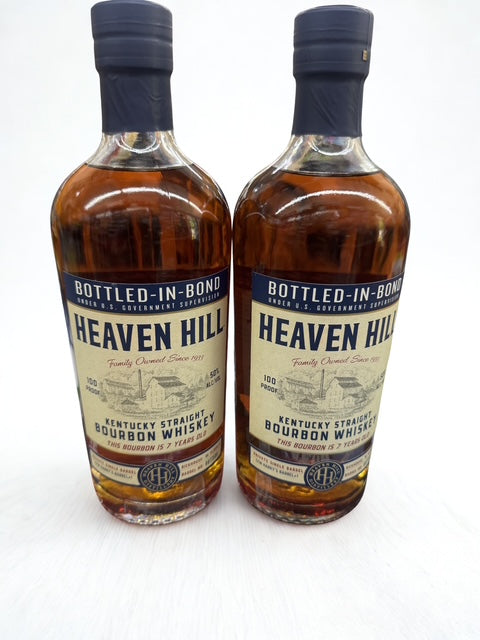
An allocated release is still, technically, available to any store the distillery chooses to send it to. A private barrel pick is a step further: it's a single, specific barrel that a store selects itself, tastes before bottling, and sells as a one-time, store-exclusive bottling that will never exist again once it's gone.
At Campbell Wines, this collection lives under Harry's Barrel, and the details make the difference obvious. A few real examples currently listed there:
-
Knob Creek Harry's Barrel #4, 9 Years 10 Months, 126.7 Proof
-
Elijah Craig Toasted Cask Strength, Harry's Barrel #3, 9 Years, 130.1 Proof
-
Found North Season 4, Harry's Barrel #1, Wheat Mash Bill, 117.2 Proof
-
Russell's Barrel #5 (CNA) and Russell's Barrel #6 (CNE), each pulled from a different rickhouse location, which changes the flavor entirely
No two of these will ever be repeated. Once Harry's Barrel #4 sells out, there is no "Knob Creek Harry's Barrel #4, batch two. " The next release will be a completely different barrel, at a different proof and age, chosen fresh.
Campbell Wines has a companion post that goes into more detail on exactly how this selection process works, including how private barrel picks work inside Harry's barrels.
A private barrel pick is a single barrel, chosen by one store, that will never be bottled the same way twice.
How Does Harry Actually Choose a Barrel?
This is where the story matters more than any spec sheet. Harry's approach comes from the same instinct he built over 22 years of working the floor of a liquor store, tasting constantly, comparing barrels side by side, and being picky about proof and age rather than just taking whatever a distillery offers.
Look at the range across just the current Harry's Barrel lineup: proofs run from 96.43 (Woodford Double Oak Single Barrel) all the way up to 141.1 (Onyx & Amber Harry's Barrel #2). That's not a coincidence; it reflects a deliberate choice to offer something for a reader who wants an easier sipper next to something for a collector who wants cask strength intensity.
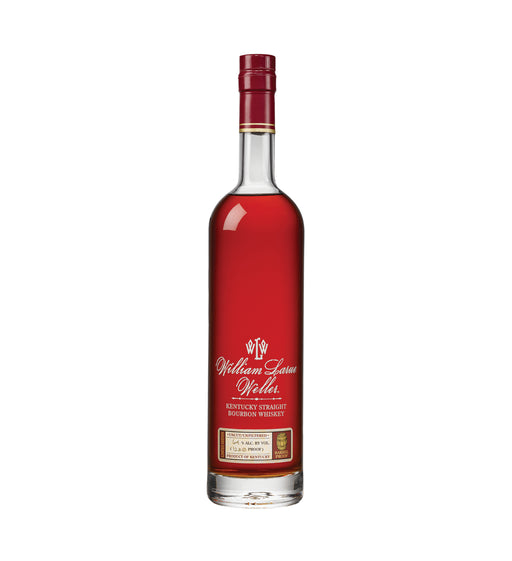
The Weller lineup is a good example of this same philosophy applied to a single, well-known label. Campbell Wines' Weller collection includes Old Weller Antique, a wheated bourbon bottled at 107 proof, bold enough to stand out but still approachable enough for someone new to wheated bourbon to start with.
The barrel-picking process is really a matching process: pairing a specific barrel's character with the kind of drinker who will actually enjoy it.
Where Can You Actually Find Allocated Bourbon in California?
This is the question that matters most. Once someone understands why allocation happens, knowing the mechanism doesn't help if you don't know where to look. A few practical starting points:
-
Go to a store that specializes, not a big-box aisle. A specialty shop like Campbell Wines, at 100 W Hamilton Avenue in Campbell, CA, gets a fraction of the allocation a national chain does, but that fraction is chosen with more care and sold with more knowledge behind it.
-
Follow the store's social channels directly. Campbell Wines posts new arrivals on Instagram, and allocated bottles are often gone within hours of that post going up.
-
Ask about the full catalog, not just what's on the shelf. The Rare & Limited collection and the broader Bourbon collection online often list bottles that haven't made it to the physical shelf display yet.
-
Build a relationship, not a one-time visit. Harry has said plainly that when he doesn't have a bottle a customer is after, he'll work on their behalf to try to source it, that only works if the store actually knows who's asking.
What Should You Look For When Buying Allocated Bourbon?
Not every allocated bottle is worth chasing, and not every private barrel pick fits every palate. A few things worth checking before buying:
-
Proof. Cask strength and barrel proof bottles (often 120+ proof) hit very differently from standard 90–100 proof releases. Neither is "better"; it depends on how you like to drink it.
-
Age statement. Older isn't automatically better in bourbon the way it can be in some other spirit categories. A well-chosen 8-year barrel can outperform a mediocre 12-year one.
-
Mash bill. A wheated bourbon (like the Old Weller Antique above) drinks softer and sweeter than a high-rye mash bill. This is worth knowing before you commit to a bottle you can't return.
-
Whether it's a one-time barrel or a repeatable label. If it's part of Harry's Barrel, that specific expression will not exist again once it sells out; that changes how much it's worth deciding on the spot versus waiting.
None of these factors are about hype; they're about matching the bottle to what you actually want to taste.
A Real Example: The Eagle Rare 25-Year Story
One release that shows how far allocation can stretch is the Eagle Rare 25-year-old bourbon, the first release to come from the distillery's Warehouse P, one of two experimental warehouses built specifically to test longer maturation periods for bourbon and American whiskey. Bottles like this represent the far end of the allocation spectrum: not just limited, but effectively a one-time scientific release tied to a specific warehouse experiment.
Most allocated bourbon buying won't involve something this rare. But it's a useful reminder that "allocated" covers a wide range, from a bottle a store simply doesn't get much of all the way up to a release built around genuine, unrepeatable distillery experimentation.
Key Takeaways
-
Allocated bourbon is rationed by the distillery on purpose; it's not a store running out by accident.
-
A private barrel pick, like the bottles under Harry's Barrel, is a single barrel chosen by one store that will never be repeated once it sells.
-
Following a store's social channels directly is often the fastest way to know when an allocated bottle actually arrives.
-
Proof, age, and mash bill matter more than an allocation label alone; match the bottle to your palate, not just its scarcity.
-
Building an ongoing relationship with a specialty store, rather than a one-time visit, is what actually gets a customer sourced hard-to-find bottles over time.
Frequently Asked Questions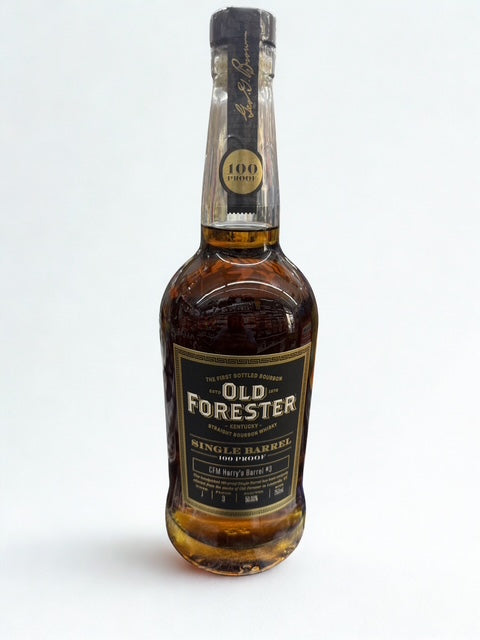
-
What does "allocated" mean for a bourbon bottle? It means the distillery is limiting how many bottles of that release go to any single store, rather than filling every order a retailer places.
-
How is a private barrel pick different from a standard allocated release?
An allocated release can still go to multiple stores. A private barrel pick, like the bottles in Harry's Barrel, is a single barrel selected and bottled exclusively for one store and will not be repeated. -
Can I request a specific proof or age for a barrel pick?
Each Harry's Barrel release is selected before bottling, with the proof and age already set by that specific barrel. Customers can ask about upcoming picks, but the barrel itself is chosen by Harry ahead of release. -
How do I find out when Campbell Wines gets a new allocated bottle in?
The fastest way is following Campbell Wines on Instagram, where new arrivals are posted as they come in, or checking the Bourbon collection page directly. -
Where can I see the full current list of barrel picks?
The complete, up-to-date lineup is listed under Harry's Barrel on the Campbell Wines website, alongside the Rare & Limited collection.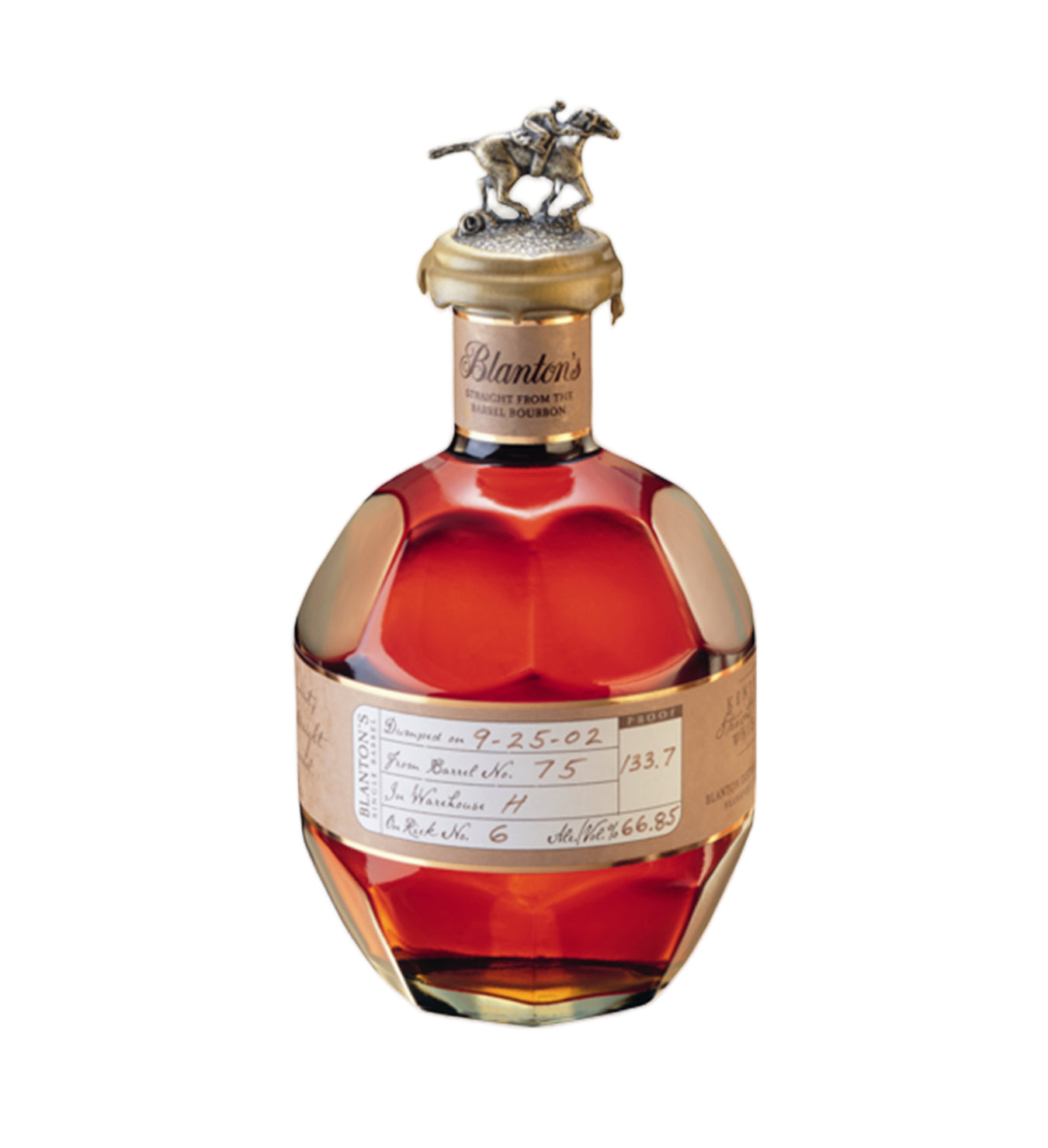
About the Author
Harry is the owner of Campbell Wines, operating under California Food Mart at 100 W Hamilton Avenue, Campbell, CA 95008. He began working in the liquor industry in 2003 while in college and has spent the 22 years since sourcing rare and limited-edition bottles, curating boutique selections, and personally selecting every barrel in the Harry's Barrel collection. Follow ongoing releases on Instagram or reach the store directly at info@campbellwines.com or (408) 797-6800.