


How Many Bottles in a Barrel of Bourbon? A Campbell Wines Guide
A full-size bourbon barrel holds 53 gallons, and that translates to about 267 bottles at the standard 750ml size. But that number is really just a starting point on paper. What actually comes out of a real barrel is almost always lower, because whiskey loses volume to evaporation every year it sits aging in the warehouse. At Campbell Wines, this isn't a trivia question; it's something we work out for real, barrel by barrel, every time we pick one for our store in Campbell, California.
Where This Question Actually Comes From
 I get asked some version of "how many bottles come out of a bourbon barrel" pretty often, and it usually comes from one of two places. Either someone just toured a distillery and heard a number that didn't quite add up, or they're looking at a private barrel pick on our shelf and wondering why it's limited to a couple hundred bottles instead of something rounder.
I'm Harry, and I've been around this math for a long time. I started in this business back in 2003, working part-time at a liquor store while I was still in college. That job turned into 22 years in wine and spirits, and it's how I ended up owning Campbell Wines, which operates under California Food Mart at 100 W Hamilton Ave in Campbell. A good chunk of that time has gone into picking single barrels directly with distilleries, which means I've had to do this exact bottle count more times than I can remember.
The Standard Barrel Size, and Why 53 Gallons
Most bourbon in the U.S. ages in a 53-gallon oak barrel. That size didn't get picked at random; it's big enough to be worth the cost of building and shipping but small enough that the whiskey inside has real contact with the wood and can develop actual color and character in a reasonable number of years.
You'll occasionally run into smaller barrels, sometimes 5, 10, or 15 gallons, usually from producers experimenting with faster aging. But when anyone in the industry says "a barrel," 53 gallons is what they mean unless they tell you otherwise.
Doing the Math: Barrel to Bottle
Here's the actual conversion, laid out so you can see where the 267 number comes from:
|
Step |
Calculation |
Result |
|
Barrel volume |
53 gallons |
53 gallons |
|
Convert to liters |
53 × 3.785 |
≈ 200.6 liters |
|
Convert to milliliters |
200.6 × 1,000 |
≈ 200,600 ml |
|
Divide by bottle size |
200,600 ÷ 750 ml |
≈ 267 bottles |
That's the ceiling, what you'd get if a barrel were bottled the moment it was filled, with nothing lost along the way. In reality, no barrel that's aged for any meaningful length of time comes anywhere close to that number.
Where the Rest of the Bottles Go
 Barrels sit in wooden warehouses called rickhouses, and the wood staves are porous. Every year a barrel ages, some of the liquid works its way out through the wood and evaporates. People in the industry call this the angel's share, and depending on the climate and where in the warehouse the barrel sits, it typically runs somewhere between 2% and 4% a year. Upper floors, which run hotter, tend to lose more than lower floors.
Using a rough 3% yearly loss as an example, here's what that does to bottle count over time:
|
Age of Barrel |
Approx. Remaining Volume |
Approx. Bottle Count (750ml) |
|
Fresh (0 years) |
53 gallons |
~267 bottles |
|
4 years |
~47 gallons |
~236 bottles |
|
6 years |
~44 gallons |
~222 bottles |
|
9 years |
~40 gallons |
~202 bottles |
|
12 years |
~37 gallons |
~186 bottles |
So the same barrel that could have produced 267 bottles fresh might only produce around 186 after 12 years in the rickhouse. That gap is the whole reason older single-barrel bourbons tend to feel scarcer than younger ones on the shelf.
What This Looks Like With an Actual Barrel
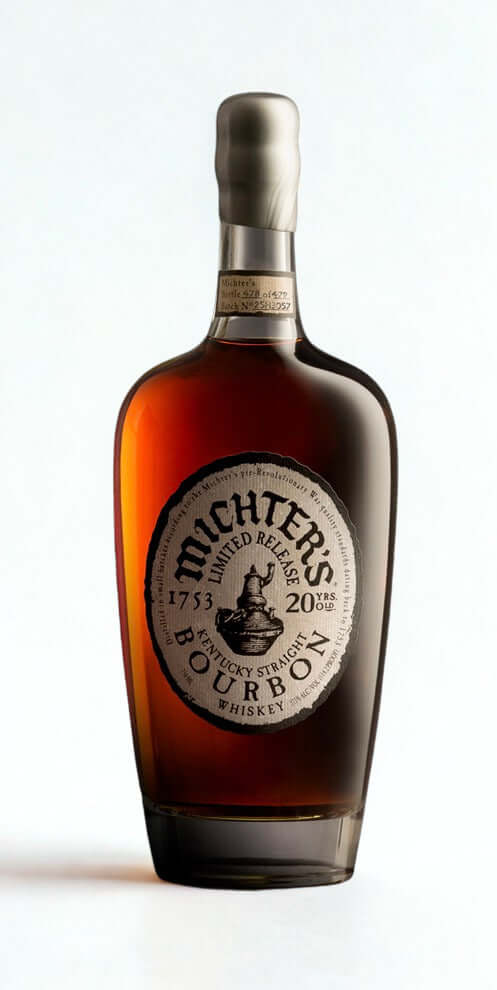
The clearest way I can explain this is through barrels we've actually picked. When Campbell Wines selects a private barrel for the Harry's Barrel collection, the distillery gives us the age, the proof, and the expected yield before we even taste the sample.
Take the Knob Creek Harry's Barrel #4; it came in at 126.7 proof after 9 years and 10 months in the warehouse. A barrel that old, bottled at that strength, is going to produce noticeably fewer bottles than a younger barrel bottled at a lower proof. Part of that comes from the years of evaporation, and part of it comes from proof itself, which I'll get into next.
If you want the full story of how we go about picking barrels in the first place, I wrote about that process in What Is a Private Barrel Pick in California?. The short version is that the bottle count printed on a barrel pick label at Campbell Wines isn't a marketing figure; it's just what that specific barrel actually produced.
Why Proof Changes the Count Too
Proof is a measure of alcohol content, and it matters here because not every barrel gets bottled the same way. Barrel-strength or cask-strength bottlings go straight from the barrel to the bottle with no water added. Standard bottlings get cut down with water before bottling, which stretches the volume and produces more bottles from the same barrel.
That's part of why a barrel-proof pick like the Rare Character Single Barrel VEN, sitting at 124.34 proof, ends up with fewer bottles than a barrel cut down closer to 90 or 100 proof. It's a real tradeoff for the customer too; full barrel strength gives you the bourbon exactly as it came out of the wood, but at the cost of a smaller run.
Different Bottle Sizes Change the Numbers Too
Almost everyone bottles single-barrel bourbon at 750 ml, but not always. If you swap bottle sizes on that same 53-gallon barrel, here's how the count moves:
|
Bottle Size |
Approx. Bottles From a Fresh 53-Gallon Barrel |
|
375ml (half bottle) |
~534 |
|
700ml |
~287 |
|
750ml (standard) |
~267 |
|
1 liter |
~200 |
|
1.75 liters (handle) |
~114 |
These are all based on a fresh barrel with no aging loss, so treat them as the maximum, not what you'd actually see on a barrel that's spent years in a warehouse.
Rye Follows the Same Math
 The 53-gallon standard and the evaporation loss apply to rye whiskey the same way they apply to bourbon. We carry private rye picks too, like the River Roots Rye at 14 years 6 months and 117.34 proof, and the relationship holds: the longer it ages and the higher the proof, the fewer bottles come out the other end.
If you're curious about what actually separates bourbon, rye, and Tennessee whiskey beyond the barrel math, things like mash bill and legal requirements, I put together a separate breakdown here: bourbon vs. rye vs. Tennessee whiskey.
Why I Pay Attention to This Math at All
None of this came from a textbook for me. It came from doing the work, starting with that part-time job in 2003, and building it into 22 years running Campbell Wines under California Food Mart. Along the way I built relationships with distilleries that let us pick and bottle our own barrels one at a time, which is where Harry's Barrel came from.
When someone walks into the store on Hamilton Ave. or browses the bourbon collection online, the bottle count they see on a private pick reflects that specific barrel's real age, proof, and history, not a guess. That's also why allocation and scarcity in bourbon usually trace back to barrel yield, not hype. I go into that more in Allocated Bourbon 101: Why Some Bottles Vanish in Minutes.
A Few Things Worth Checking Before You Buy a Barrel Pick
-
Confirm the barrel size. Most American whiskey uses the 53-gallon standard, but experimental barrels do exist.
-
Look at the age statement. More years in wood means more evaporation and fewer bottles.
-
Check the proof. Barrel-strength releases aren't cut with water, so they'll run fewer bottles than a standard-proof release from the same barrel.
-
Ask where the barrel sat in the warehouse. Higher, hotter floors generally lose more liquid than lower floors.
-
Keep bottle size in mind. A run of 375ml half bottles will roughly double the count you'd get from the same barrel at 750ml.
Key Takeaways
-
A standard 53-gallon barrel produces about 267 bottles at 750ml if bottled fresh, with nothing lost to aging.
-
Real-world bottle counts are almost always lower than that because of evaporation during aging, often 2% to 4% a year.
-
Age and proof both push the count down: older barrels and barrel-strength bottlings yield fewer bottles than younger, lower-proof ones.
-
Bottle size matters too; smaller bottles like 375 ml stretch a barrel further than the standard 750 ml.
-
Every barrel in the Harry's Barrel collection at Campbell Wines is priced and counted based on its actual age, proof, and yield.
A Few Questions People Ask Me Directly
-
How many 750ml bottles come out of one bourbon barrel?
A fresh 53-gallon barrel works out to about 267 bottles. Once you account for years of evaporation, most real barrels land somewhere between 180 and 240 bottles by the time they're actually bottled. -
Does higher proof mean fewer bottles?
Generally, yes. Barrel-strength bourbon skips the step of adding water before bottling, so it comes out at a lower bottle count than the same barrel would if it were cut down to a lower proof first. -
Why do older single-barrel bourbons seem more limited?
Because a barrel loses liquid to evaporation every single year that it ages. A barrel that's been sitting for 12 years has lost a lot more volume than one that's only 4 years old, so it simply can't produce as many bottles. -
Is every bourbon barrel the same size?
No. Fifty-three gallons is the standard for most bourbon, but some distilleries use smaller barrels, often in the 5 to 30 gallon range, for faster or experimental aging.
Where can I see real barrel age and proof numbers before buying? Every barrel in our Harry's Barrel collection is listed with its actual age and proof, so you're seeing the real specifics of that barrel rather than a generic average.
 About the Author
Harry is the founder and owner of Campbell Wines, operating under California Food Mart at 100 W Hamilton Ave, Campbell, CA. He began working in the liquor retail industry in 2003 during college and has spent the 22 years since building expertise in wine, whiskey, and private barrel selection, including personally sourcing and tasting the barrels featured in the Harry's Barrel collection. You can follow his store's latest barrel picks and releases on Instagram or learn more about his background on the Campbell Wines Abut Us page.