


What Is the Best Single Barrel Bourbon Campbell, California?
There's no single bottle that's "the best" for everyone, but the best single-barrel bourbons all share the same backbone: they come out of one physical barrel instead of a blend, the label tells you the real proof and age, and someone actually tasted that barrel before deciding it was worth bottling on its own. I run Campbell Wines in Campbell, California, and picking those barrels, under our own Harry's Barrel program, is most of what I do all day, so this isn't a topic I'm guessing at.
My name is Harry, and I own the store, which operates under California Food Mart at 100 W Hamilton Avenue. I got into this business almost by accident. Back in 2003, I was in college and took a part-time job at a local liquor store just to cover expenses. Twenty-two years later, I'm still here, except now I get to choose the barrels myself instead of just stocking them.
What Is the Holy Grail of Bourbon?
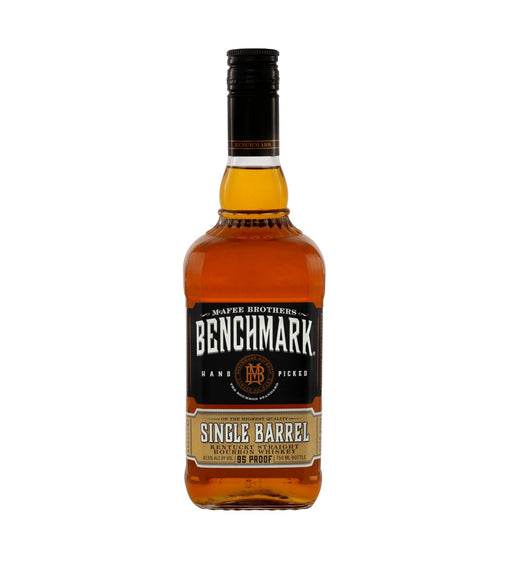
People throw around "holy grail" a lot, but when I hear customers use it, they usually mean a barrel that was never blended down or adjusted to match some house recipe. That's the whole appeal of a single barrel: it's whatever that one barrel turned into, sitting in whatever spot it happened to age in, with nothing added to smooth it over.
That's the reason I started Harry's Barrels. When I go pick a barrel, say a Knob Creek, an Elijah Craig, or one of the Rare Character releases, I'm choosing exactly one barrel and bottling only what comes out of it. When it's gone, it's gone. I can't call the distillery and ask for more of the same, because there isn't any more of that exact bourbon anywhere in the world.
What's Better, a Gentleman Jack or a Single Barrel?
Gentleman Jack is a Tennessee whiskey, and Jack Daniel's makes it consistent on purpose; it goes through their charcoal-mellowing process twice, which is why it drinks smooth and tastes basically the same every time you buy a bottle. That predictability is a feature, not a flaw. It's a solid choice if you want something easy and familiar.
A single barrel bourbon is trying to do the opposite. Instead of blending barrels together to hit a target flavor, you're bottling one barrel exactly as it is, so the proof and character shift from batch to batch. Jack Daniel's actually sells both ends of this spectrum themselves: Gentleman Jack on one side and their barrel-proof single-barrel releases on the other, bottled straight out of the barrel with no dilution.
So which is "better" really depends on what you're after that night. If you want something you can pour without thinking twice, Gentleman Jack does the job. If you want a glass that tells you something specific about one barrel's aging, go single barrel.
What Is the #1 Ranked Bourbon?
 I'll be straight with you: there isn't one. Rankings change depending on who's tasting, what year the competition happened, and whether they're judging blind or going off collector hype. What I can tell you is which bourbons keep showing up as customer favorites in our own store, barrel after barrel.
Elijah Craig Barrel Proof, Four Roses Single Barrel, and Russell's Reserve Single Barrel come up constantly. Right now we're carrying a couple of different Four Roses picks side by side, an OBSQ barrel at 123.2 proof and an OESO barrel at 112.6 proof, and tasting them next to each other is a good reminder of how much the recipe code and barrel position can change things, even from the same distillery.
|
Bourbon Family |
What Makes It Stand Out |
Typical Proof Range |
|
Elijah Craig Barrel Proof |
Undiluted, cask-strength, heavy on oak |
120–130 proof |
|
Four Roses Single Barrel |
Ten recipe codes, each tastes noticeably different |
100–125 proof |
|
Russell's Reserve Single Barrel |
Wild Turkey's premium line, warehouse-specific |
110–115 proof |
|
Rare Character |
Independently sourced and finished single barrels |
110–125 proof |
|
Weller Full Proof |
Wheated, soft and rounded on the finish |
114 proof |
Is Buffalo Trace a Single-Barrel Bourbon?
No, not the standard bottle you'll find on most shelves. Regular Buffalo Trace is a small-batch bourbon, blended from a group of selected barrels to hit the same taste every time. That's essentially the opposite approach from single-barrel bottling.
Buffalo Trace Distillery does put out true single barrel releases, though. Blanton's is the one most people know, and it's often credited as the bottle that brought single barrel bourbon into the mainstream in the first place. So the distillery makes both styles; you just need to know which label you're actually picking up.
What Is the Smoothest Bourbon to Drink Straight?
"Smooth" usually means the finish doesn't bite, the texture feels round in your mouth, and the flavor leans toward caramel and vanilla instead of raw alcohol heat. Wheated bourbons tend to get there faster than rye-heavy ones, simply because wheat doesn't bring the peppery edge that rye grain does.
In our store, the wheated bottles, our Weller lineup, and barrels like the Old Louisville 11 Year Old Single Barrel are the ones customers describe as easiest to sip neat. And don't assume high proof automatically means harsh. Our Elijah Craig Toasted Barrel Proof, 9 Year Old, comes in at 124.8 proof and still drinks smoother than plenty of lower-proof bourbons because nine years in the barrel rounds off a lot of edges.
A few things I tell customers who are picking something to sip on its own:
-
Reach for a wheated mash bill if spice and heat aren't your thing.
-
Look for at least 8 years of age; extra barrel time tends to soften the sharp notes.
-
Add a few drops of water even to something already smooth; it opens up the aroma without watering down the flavor.
-
Taste it at room temperature, not straight from the fridge or over ice, so you're getting the full profile.
-
Ask which warehouse floor the barrel came from; lower floors see less temperature swing, which usually means a gentler bourbon.
Is Jim Beam a Single-Barrel Bourbon?
 Standard Jim Beam White Label isn't single barrel; it's a small-batch blend built to taste the same year after year. But Jim Beam's portfolio does include a real single barrel expression: Knob Creek Single Barrel Reserve, bottled one barrel at a time instead of being blended.
You'll see this pattern with most of the big producers. The everyday bottle on the bottom shelf is almost always a small-batch blend, and the true single-barrel releases live further up in the lineup, usually under a premium sub-brand. Our Knob Creek Harry's Barrel #4, 126.7 proof, aged about 9 years and 10 months, is a good example of what that premium tier looks like from the Beam side of things.
What Is Considered Top-Shelf Bourbon?
The term used to be literal; the top shelf behind a bar was where a store kept its priciest, hardest-to-get bottles out of easy reach, so you had to ask for them by name. These days people use "top shelf" more loosely, but it still points at the same idea: quality, reputation, and scarcity.
We keep a dedicated Our Top Shelf Picks collection alongside our Rare & Limited selection, and what lands in those categories tends to have a few things in common: strong distillery reputation, limited production, and genuine difficulty finding them anywhere else. Our Rare Character barrels, like the Single Barrel VEN at 124.34 proof or the Single Barrel RIO at 8 years and 11 months, are a good example: independently sourced, tied to one specific barrel, and not something you'll stumble across at a big chain store.
What Is the Smoothest Bourbon Under $100?
We're not going to quote prices here, but I can point you toward the kind of bourbon that tends to punch above its cost when it comes to smoothness: entry-to-mid-tier wheated bottles and toasted-barrel releases from established distilleries. Larceny Straight Bourbon Whiskey, an 8-year wheated bourbon, or a standard-strength Old Forester 100 Proof are both good examples of that low-heat, caramel-forward profile without needing a rare or allocated release.
If you're working with a budget and still want the single-barrel experience, just ask. We rotate barrels through Harry's Barrels at different accessibility levels, not only at the rare, high-dollar end.
How Does a Private Barrel Pick Actually Work?
 People ask me all the time how a bottle ends up with "Harry's Barrel" on the label. Here's the short version, based on how we actually do it:
-
The distillery invites us to select barrels, either on-site or through samples sent to the store.
-
We taste several barrel samples side by side, often from the same mash bill, to see how differently they aged.
-
We pick the one we want to put our name on; sometimes that's the boldest option, and sometimes it's the most balanced.
-
The distillery bottles that single barrel exclusively for us and labels it with the barrel number and proof.
-
Once it sells out, there's no reorder. That exact liquid doesn't exist anywhere else.
If you want the longer version, I wrote it out on the blog: How Private Barrel Picks Work: Inside Harry's Barrels.
Bourbon, Rye, and Tennessee Whiskey, Why the Difference Matters Here
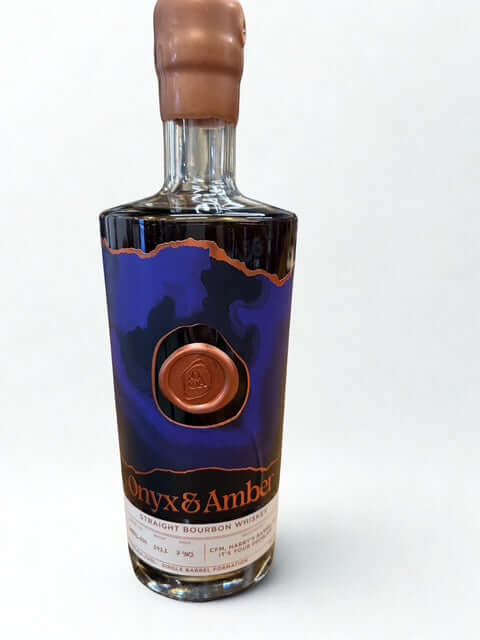
It helps to know what separates bourbon from its close relatives before you go shopping for single barrels. Bourbon has to be made from at least 51% corn and aged in new charred oak barrels. Rye whiskey flips that ratio toward rye grain instead, which is why it usually tastes spicier. Tennessee whiskey follows bourbon's rules but adds an extra charcoal-mellowing step before barreling. I go into more detail in Bourbon vs. Rye vs. Tennessee Whiskey: Differences Explained if you want to dig further into that.
Key Takeaways
-
Single-barrel bourbon comes from one barrel, not a blend, so no two barrels taste identical.
-
There's no permanent "best" or "#1" bourbon; mash bill, proof, and personal taste all move the needle.
-
Buffalo Trace and Jim Beam both sell small-batch flagship bottles, but each also makes a genuine single-barrel release elsewhere in their lineup: Blanton's and Knob Creek Single Barrel Reserve.
-
Wheated, well-aged bourbon tends to be the smoothest choice for sipping neat, regardless of proof.
-
"Top shelf" today is really about scarcity and reputation, not literal shelf placement.
FAQ
-
What makes a bourbon "single barrel" instead of "small batch"?
Single-barrel bourbon comes from one specific barrel, so the flavor and proof are unique to it. Small-batch bourbon blends several barrels together to hit a consistent, repeatable taste. -
Can two barrels from the same distillery really taste that different?
Yes. Even barrels filled the same day can age differently depending on where they sit in the warehouse, which is why single-barrel labels always list the barrel number and proof. -
Does higher proof always mean a better single-barrel bourbon?
Not necessarily. Age, mash bill, and where the barrel sat while aging all matter just as much as proof. A well-aged barrel at a moderate proof can be drunk smoother than a young one at cask strength. -
Where can I try single-barrel picks in the Bay Area?
Come by Campbell Wines at 100 W Hamilton Avenue in Campbell, California. We keep an actively rotating lineup, including our own Harry's Barrel selections, listed at campbellwines.com/collections/harrys-barrel. -
How can I tell if a bottle is a genuine single-barrel release?
Check the label for a barrel number and proof statement. Single-barrel bourbons are listed this way because they change barrel to barrel. If all you see is a standard proof with no barrel number, you're likely looking at a small-batch blend.
About the Author
 Harry owns Campbell Wines, a wine, beer, and spirits store at 100 W Hamilton Avenue in Campbell, California, operating under California Food Mart. He's worked in the liquor industry since 2003 and personally selects every barrel in the store's Harry's Barrel program. Find Campbell Wines on Instagram or reach the store at info@campbellwines.com or (408) 797-6800.